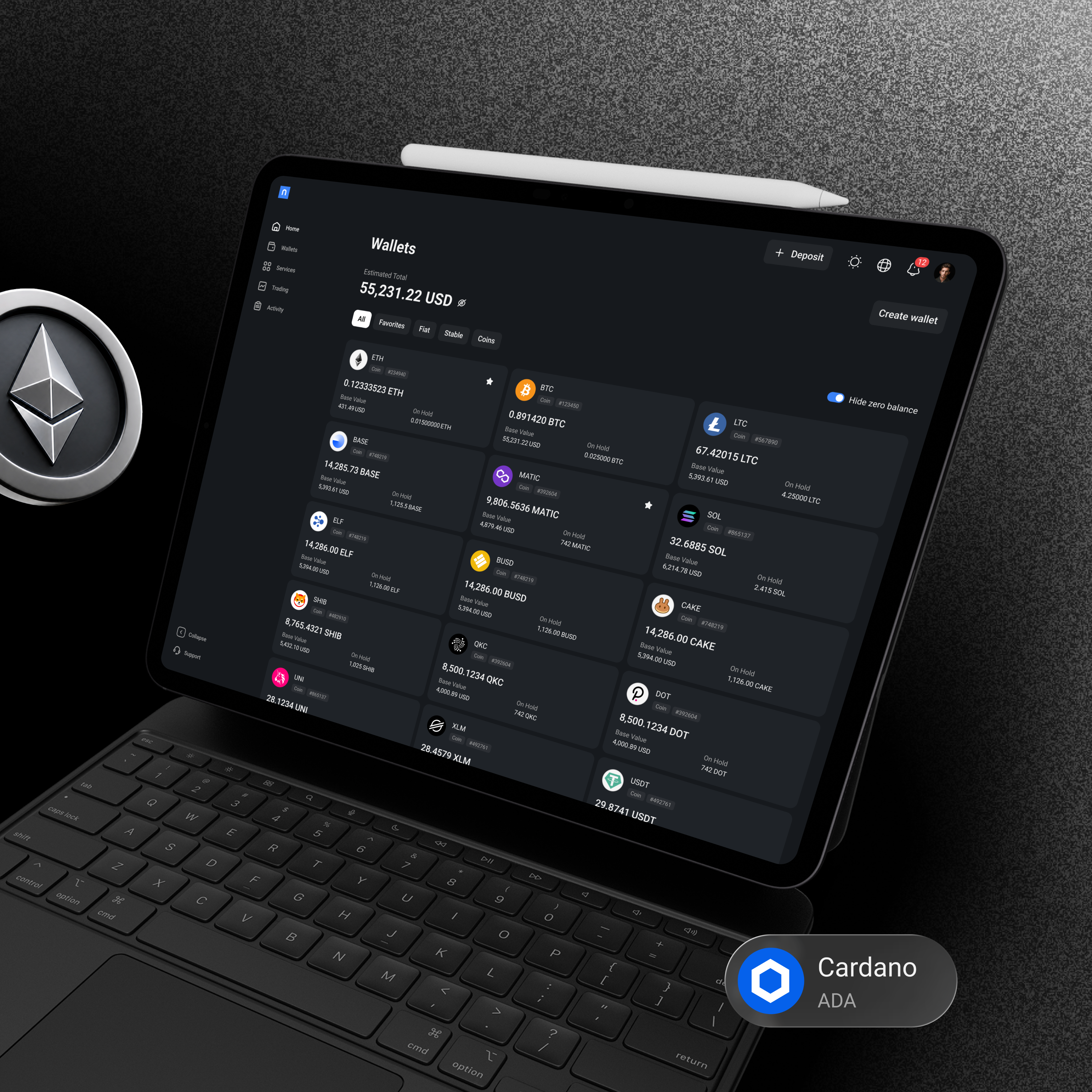
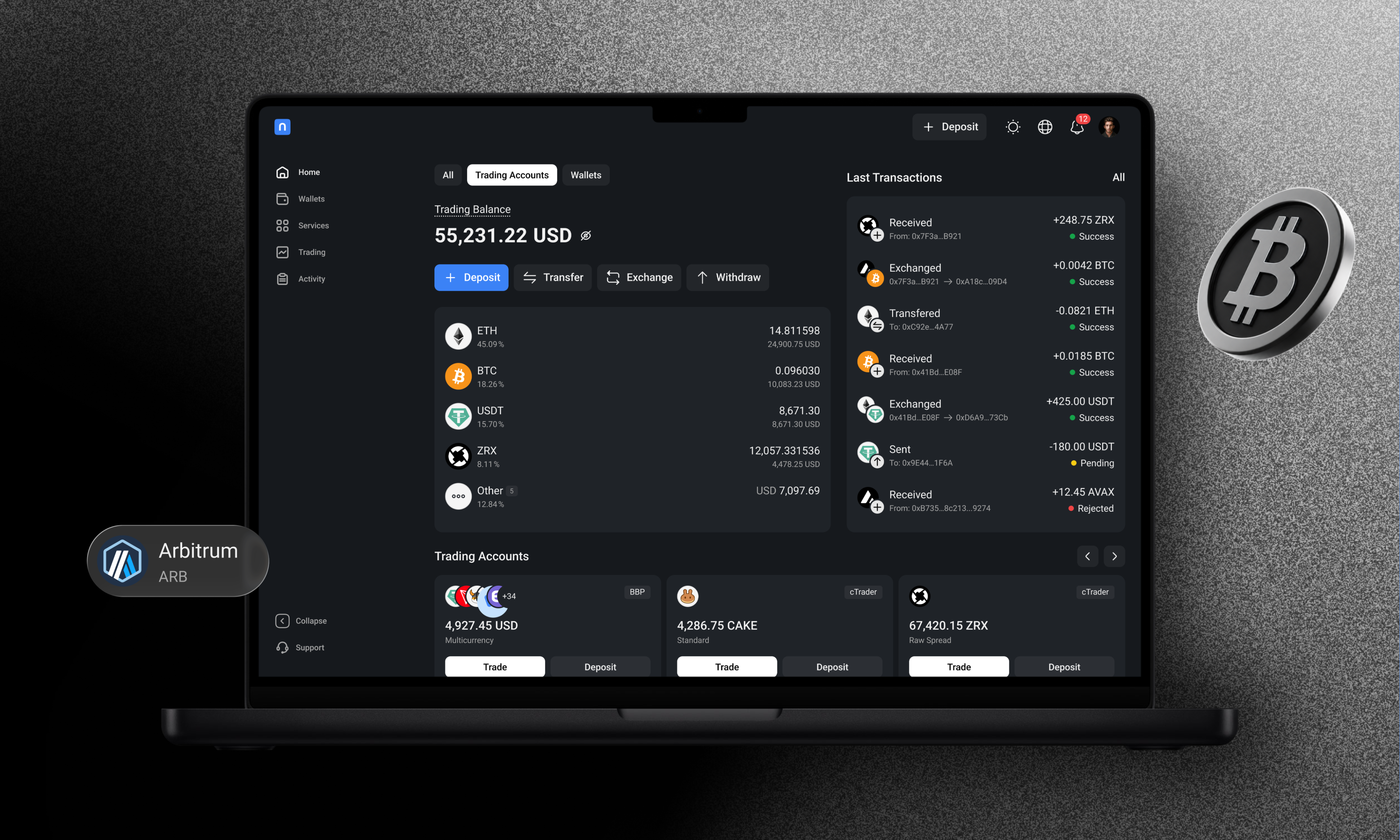
Turning fragmented fintech flows into a clearer path to value.
Screens stopped being my unit of work. I started designing around the full path to value, from traffic sources to activation and downstream impact. After fixing a 40% conversion drop I had caused, I turned the learning into a team standard and pushed mobile-first early. This system knowledge helped teams shape trade-offs sooner and raise the quality bar.
+280%
Registration conversion+36%
Verification completion−25%
Time-on-task+4%
Deposit completion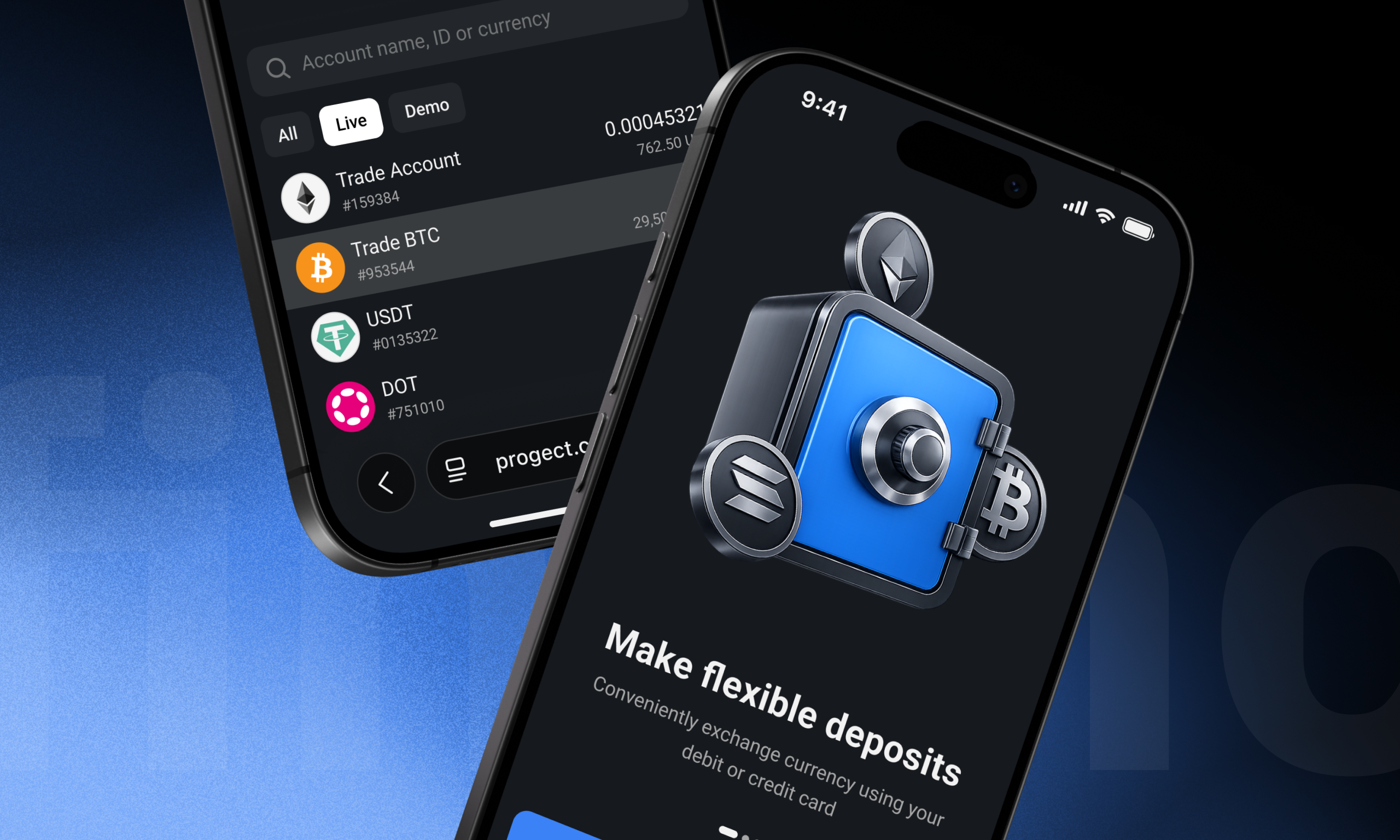
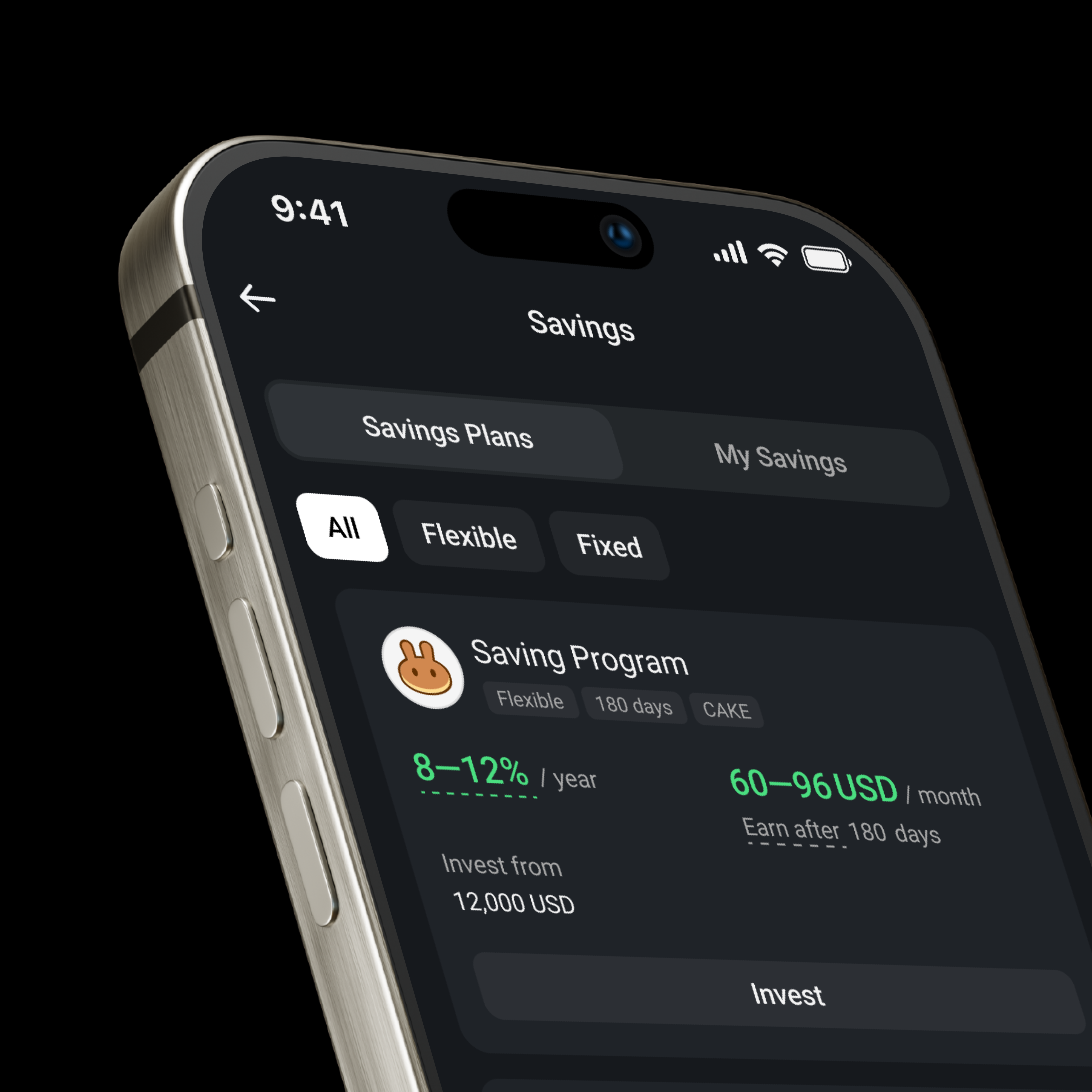

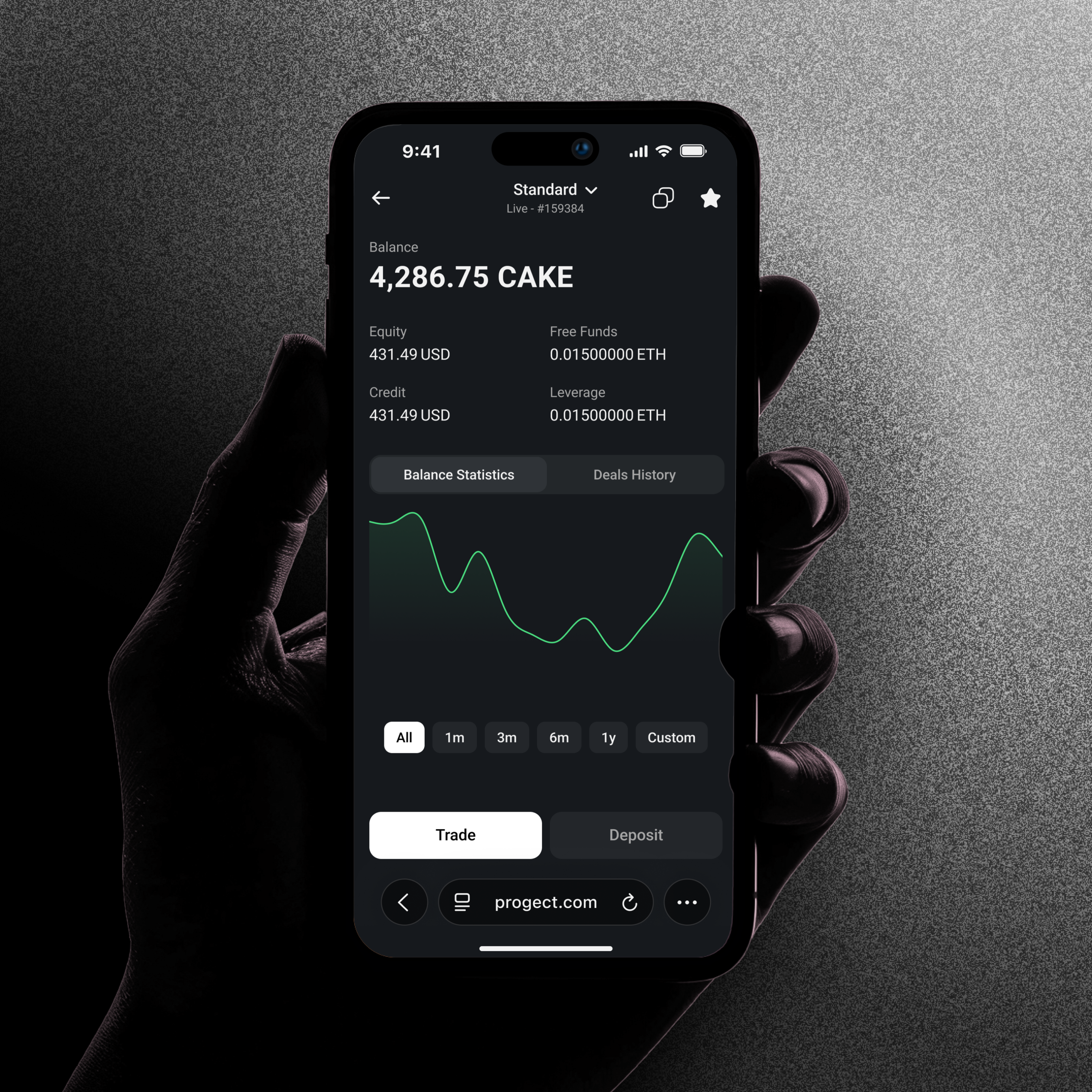
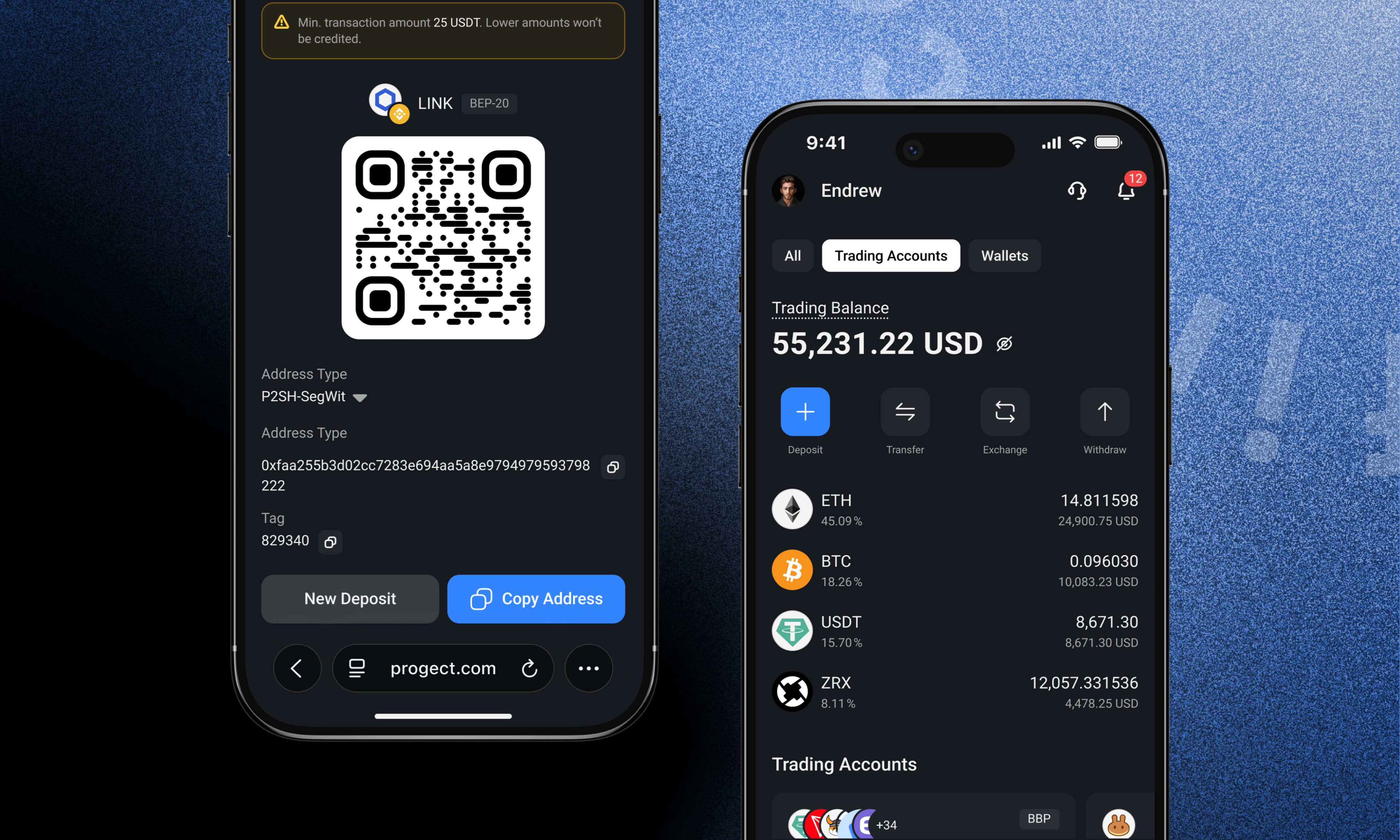
Onboarding improved when the entry point changed
New users landing on login • KYC hidden post-registration • No connected activation path
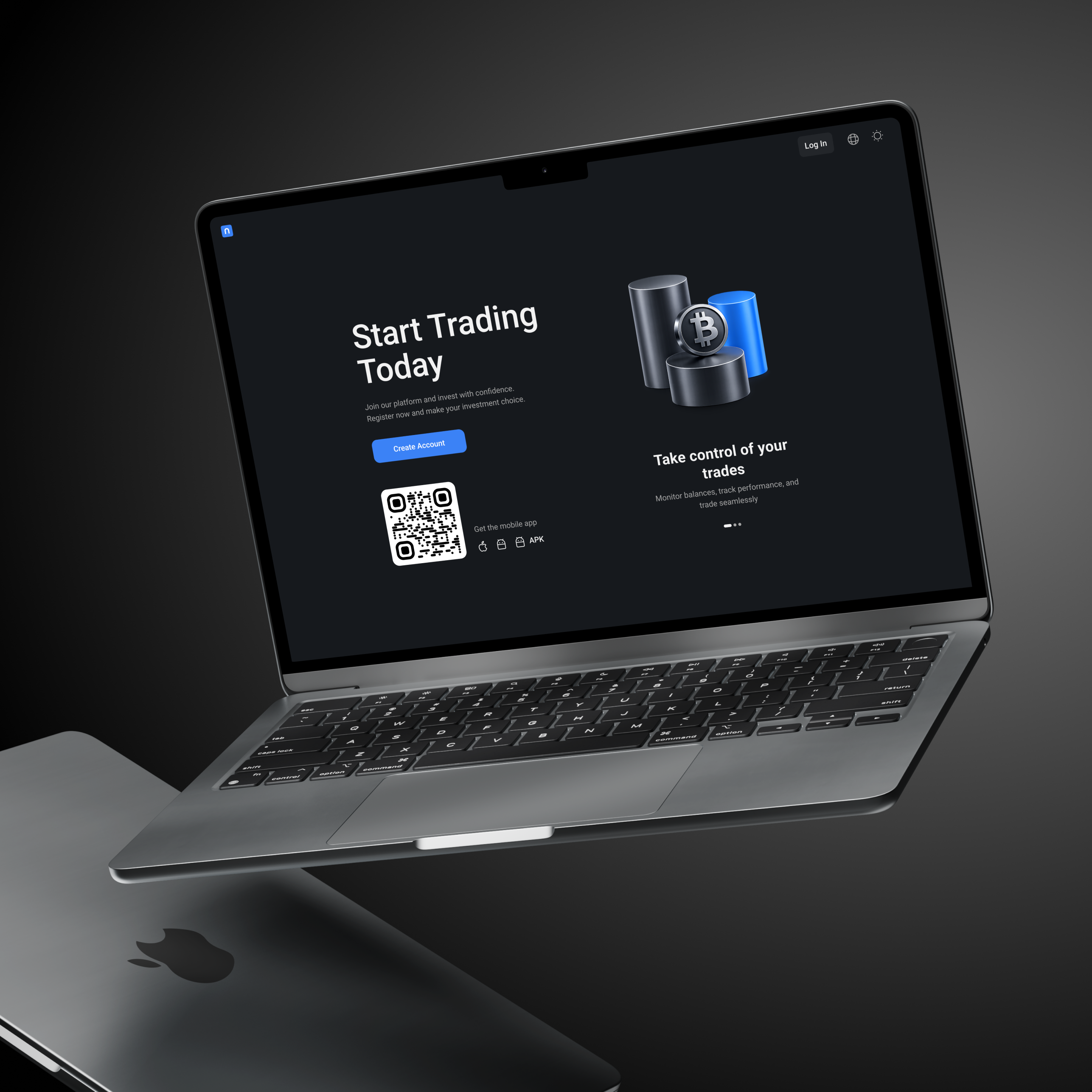
Moved entry point to sign-up landing
Embedded KYC into flow — ask when relevant
Added dashboard banner until completion

Registration +280% · KYC +36%
I see the product as a system: traffic source, entry expectations, activation steps, and the path to value.
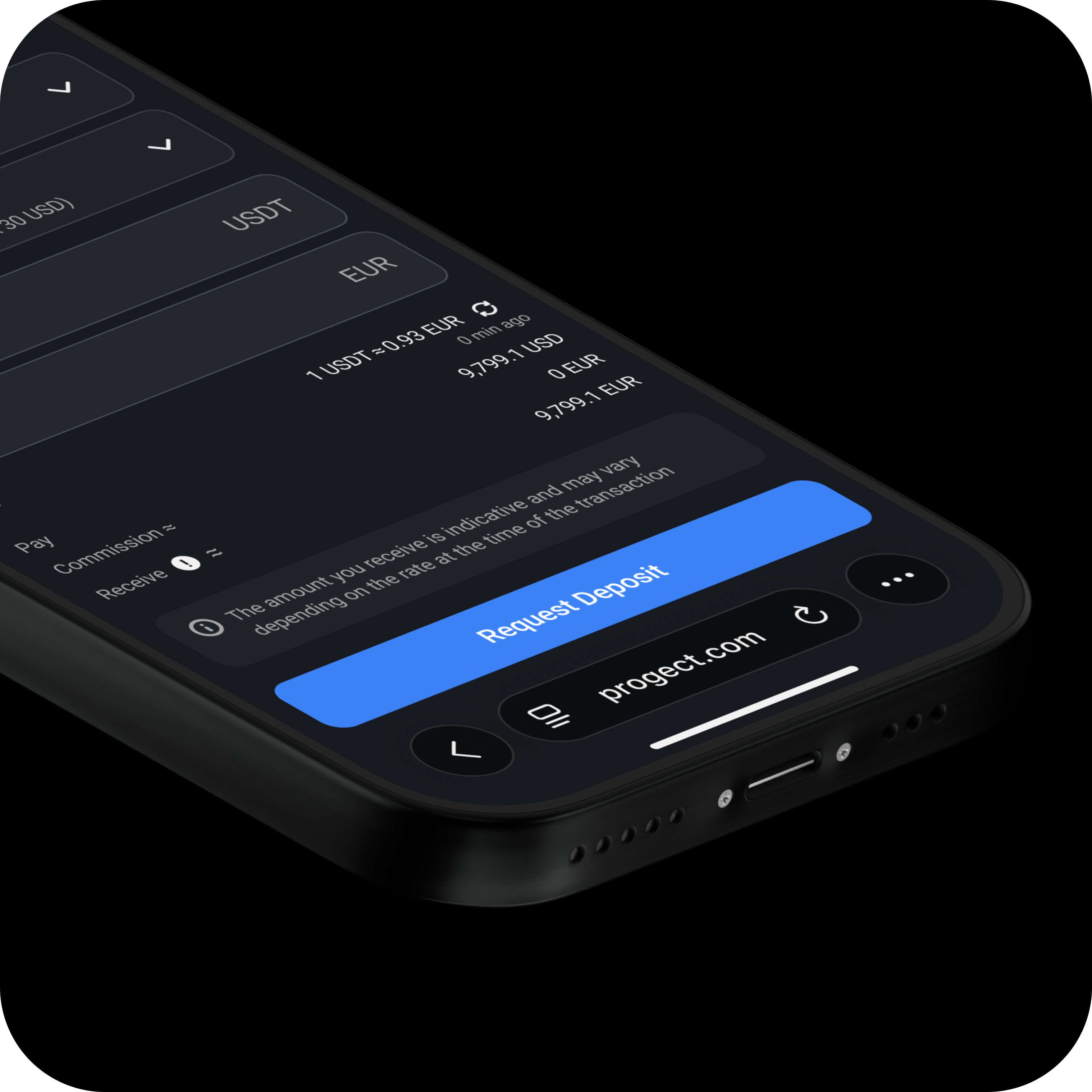
Making money flows shippable under constraints
Legacy API + calculation uncertainty • 3 provider types • Ideal solution always hit a wall
3 options per decision: ideal, shippable, minimum
6 iterations with finance and backend teams
Defended direction with CEO at quarterly planning
−25% time to deposit · +4% completion
Became finance team design consultant
I turned constraints into focused iterations, using experimentation to validate trade-offs before implementation costs grew.
A small change with a 40% conversion cost
Shipped mobile UI update • No funnel monitoring • Amplitude unused for releases
-40%
after UI polish
Monitored funnel post-release — not standard then
Found 40% drop, heatmaps led to hypothesis
Brought evidence, defended hotfix under resistance
formed hypothesis
brought evidence
shipped hotfix
baseline recovered
Baseline recovered · Release ritual formed
After this: post-release monitoring became standard. One change at a time, one hypothesis at a time.
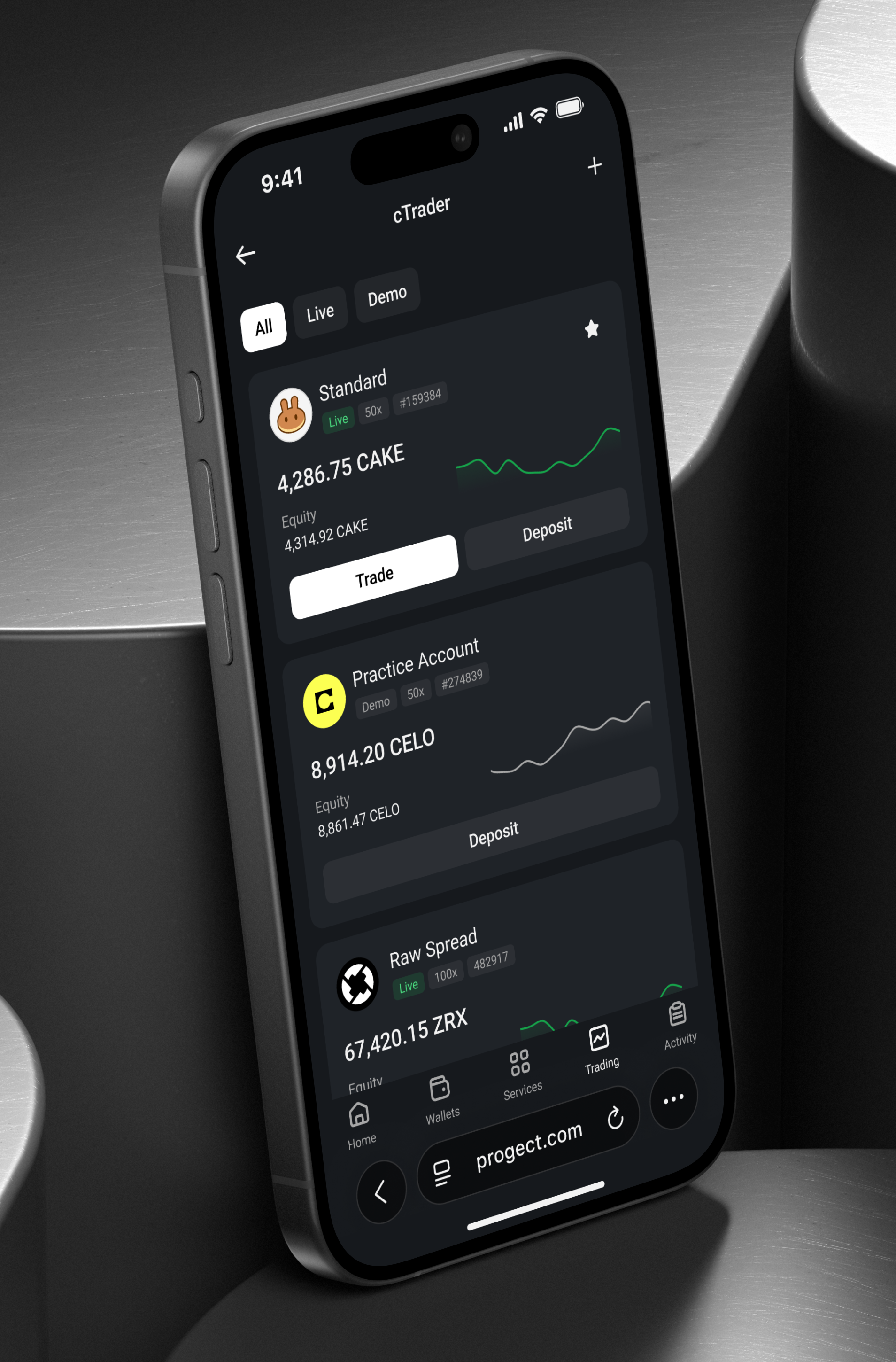
Mobile-first as a cultural shift
70% mobile traffic • Desktop-first process • No mandate to change
Applied mobile-first in my own scope first
Raised the 70% for 12 months consistently
Audited issues with dev, shaped the backlog
Mobile-first became official
70% audience improved without full redesign
I stated the problem. I should have shown the cost. Saying "70% mobile" is a fact. Saying "here is what we lose on every flow because of poor mobile UX" is an argument.
Influence with no title
No design lead role • Teams without design input • No analytics culture
Facilitated PM-dev, joined cross-team decisions
Mentored junior, protected dev capacity
Introduced a11y checks, rewrote UX copy
Director publicly noted UX quality improvement
Became go-to person across teams
I kept showing up where it mattered — and at some point that became the role.
“We can sort out feature requests together, and it will be fun”





Front-end developer
Sasha